Brain Tumor / Neuro-Oncology
Few things are more frightening than to be told that you or a loved one has a brain tumor. At the OSF HealthCare Illinois Neurological Institute (OSF INI) Brain Tumor Center we understand the panic and anxiety that comes with this diagnosis. We are experts in this field and are dedicated to treating you and not just your condition. We offer treatment with compassion.
OSF INI offers cutting-edge treatment from a highly skilled team with a range of expertise, but that’s only the beginning. We understand that your diagnosis affects your body, your mind and your emotions, as well as those of your family or support system. We treat you, not just your condition, never forgetting that your recovery depends not only on science, but also on compassion.
Choosing the right team and treatment plan is important. Call us at (309) 624-4000 for a first or second opinion.
Conditions we treat
The most common brain tumors in adults are:
Brain Tumor / Neuro-Oncology Team

Sarah B. Beam, APRN
Neurosurgical Oncology
Neurosurgery

Alyssa M. Harris, PA
Neurosurgery

Charles L. Rosen, PhD, MD
Neurosurgery
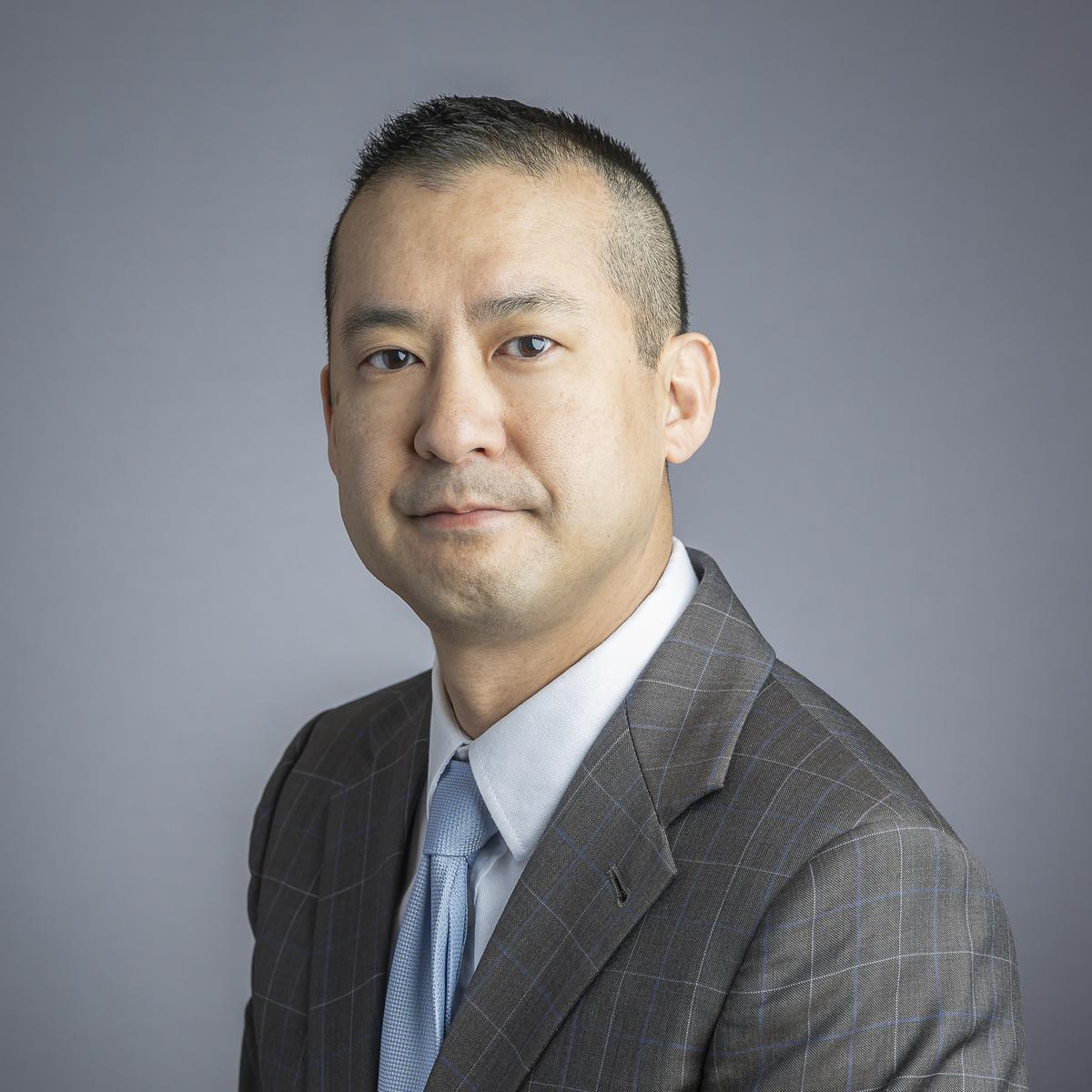
Andrew J. Tsung, MD
Spine Surgery
Neurosurgical Oncology
Neurosurgery
Treatment Options
What to Expect
Typically, once a brain tumor is discovered, a high-quality MRI (magnetic resonance imaging scan) is taken. The scan allows your neuroradiologist and neurosurgeon to diagnose the type of tumor. If the tumor is small, benign and causes no symptoms, there may be no need for any treatment other than monitoring. In other situations, treatment may focus on radiation or Gamma Knife treatment.
Rest assured, your team will explore all options available and recommend the one that will give you the best long-term outlook.
Treatment Planning
After diagnosis you and your team will agree upon a treatment plan. Your team will consider the following criteria when deciding on your best treatment plan.
- Type, size and characteristics of the tumor cells and blood vessels
- The aggressiveness of the tumor (is it low-grade or high-grade)
- Your age and general health
- Symptoms that are related to the tumor
Depending on your situation, your treatment plan may include a combination of observation, surgery, radiation or chemotherapy.
Certain types of brain surgery involve no incision and are painless. Stereotactic radiosurgery uses narrow beams of radiation generated from different angles to give highly-focused radiation to a brain tumor, while sparing the surrounding tissue. It usually takes one or two hours and is typically one treatment. Most patients go home the same day. Side effects include, fatigue, headache and nausea.
OSF INI offers state-of-the-art radiosurgery options to adult and pediatric patients available at very few places in the world. OSF HealthCare Saint Francis Medical Center is the only Illinois hospital with both an iMRI and a Gamma Knife in the same location.
Other radiosurgery options include:
- Gamma Knife Radiosurgery
- CyberKnife
- Image-Guided Radiotherapy (IGRT)
- Intensity-Modulated Radiation Therapy (IMRT)