Stroke
When it comes to treating stroke, time is critical. Every minute a stroke goes untreated, the brain loses about 2 million brain cells it can never recover. That’s why you need care that is quick, coordinated and cutting edge – so not a moment is wasted and you have a greater chance of recovery.
The experts of OSF HealthCare Illinois Neurological Institute (OSF INI) have established a high standard of stroke care for every OSF HealthCare hospital – so you get the care you need as quickly as possible. Our providers focus on you and not just your condition. We know your recovery is based on not only the physical, but also your mental and emotional well-being, so we make sure you and your support system are involved from beginning to end of your treatment.
Our comprehensive range of services – from preventive care to emergent treatment and through your recovery and rehabilitation – makes for stress-free transitions from one stage of care to the next. Plus, you get peace of mind of knowing your whole care team is working together, so no detail gets lost in transition.
About Strokes
Great care depends on you to get it started. You need to recognize the symptoms of a stroke and get to the hospital right away. The signs of stroke can be remembered with the acronym BE FAST. When you spot these signs, you need to call 9-1-1 right away.
B – Balance issues
E – Eyesight is blurry
F – Facial drooping
A – Arm weakness
S – Slurring speech
T – Time to call 911
- Ischemic stroke is the most common type of stroke. Ischemic strokes occur when blood flow to the brain is blocked, typically by a clot or piece of plaque getting wedged inside a blood vessel.
- Transient Ischemic Attack (TIA), also known as a “mini stroke,” is caused by a blockage of blood flow to a tiny artery, which causes stroke symptoms that almost always resolve within an hour. Even though the symptoms go away, anyone experiencing this should call 911 immediately to be evaluated and closely monitored.
- Hemorrhagic stroke occurs when a blood vessel breaks, causing blood to seep into brain tissue.
- An intracerebral hemorrhage occurs when a blood vessel within the brain tissue ruptures.
- A subarachnoid hemorrhage occurs when a weakened area of a blood vessel, called an aneurysm, breaks and blood is spilled around the surface of the brain.
As a leader in stroke and neurological care, the team at OSF INI has the skills and experience to give you the best outcomes before, during or after a stroke.
OSF HealthCare Saint Francis Medical Center, Peoria

Candace D. Couri, APRN
Neurology
Jacqueline R. Kaufman, APRN
Neurology
Jeffrey D. Klopfenstein, MD
Neurosurgical Oncology
Neurosurgery
Deepak S. Nair, MD
Neurohospitalist
Neurocritical Care
Neurology - Stroke
Jailson S. Nascimento, APRN
Neurology
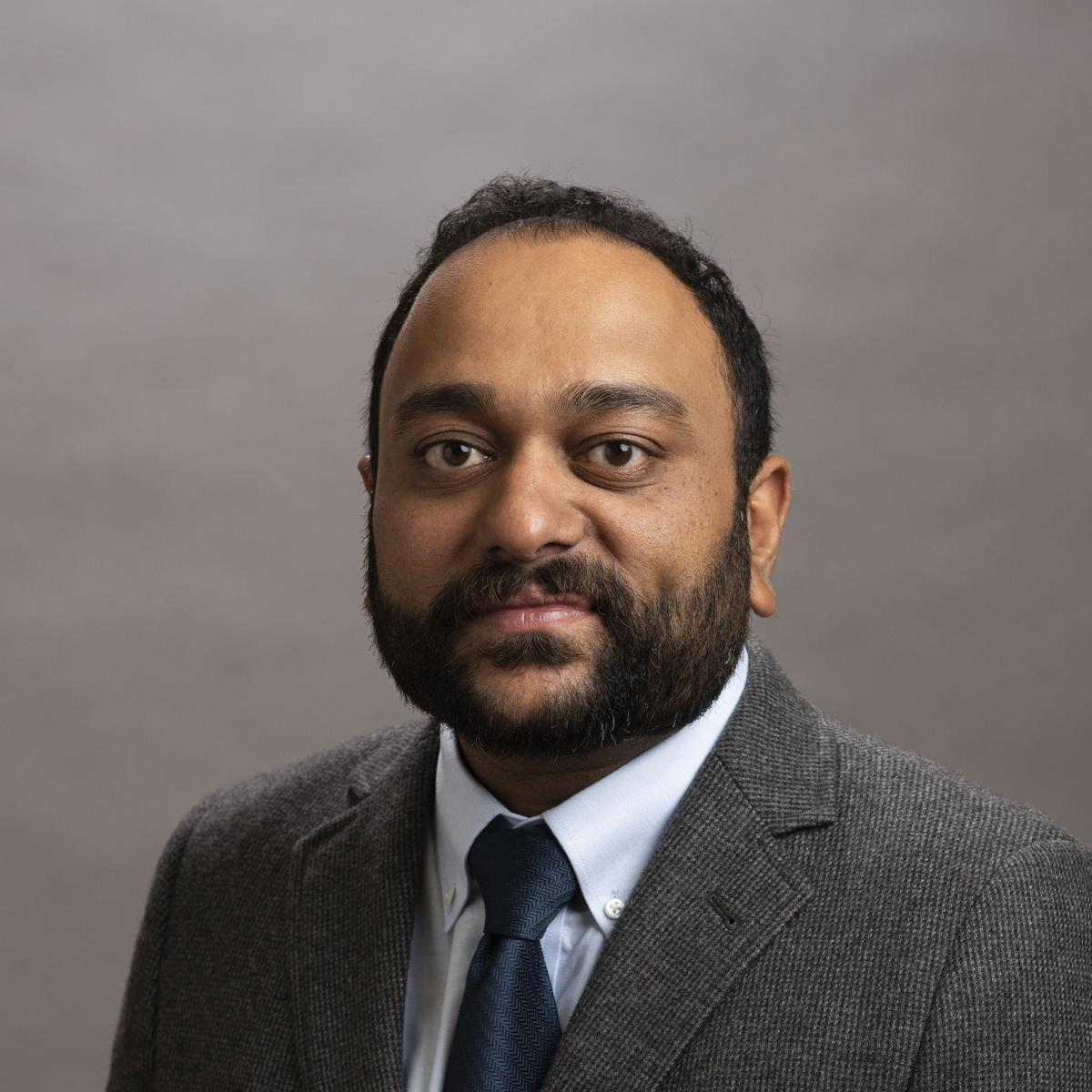
Deepak N. Reddy, MD
Vascular Neurology
Neurohospitalist
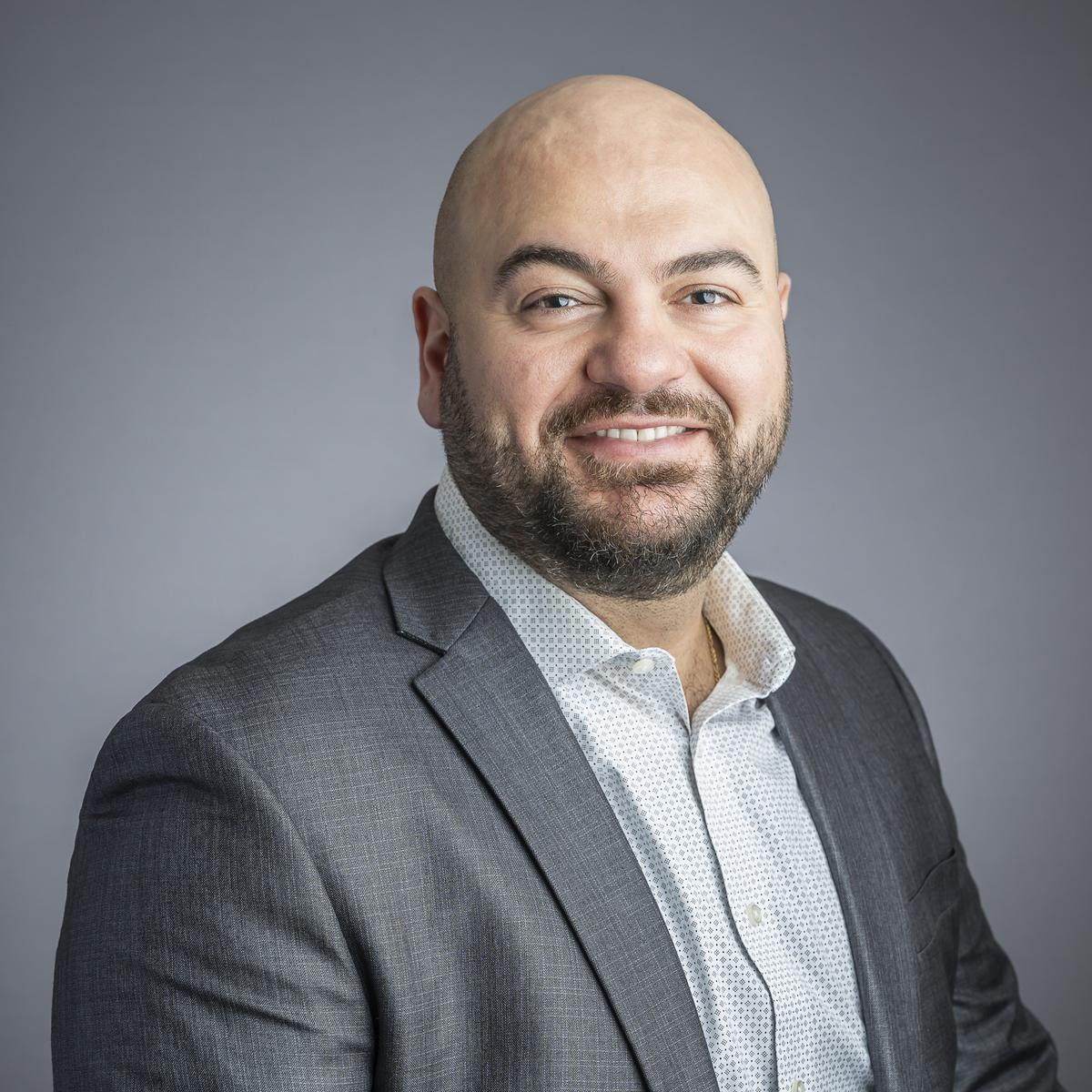
Elias Samaha, MD
Neurohospitalist
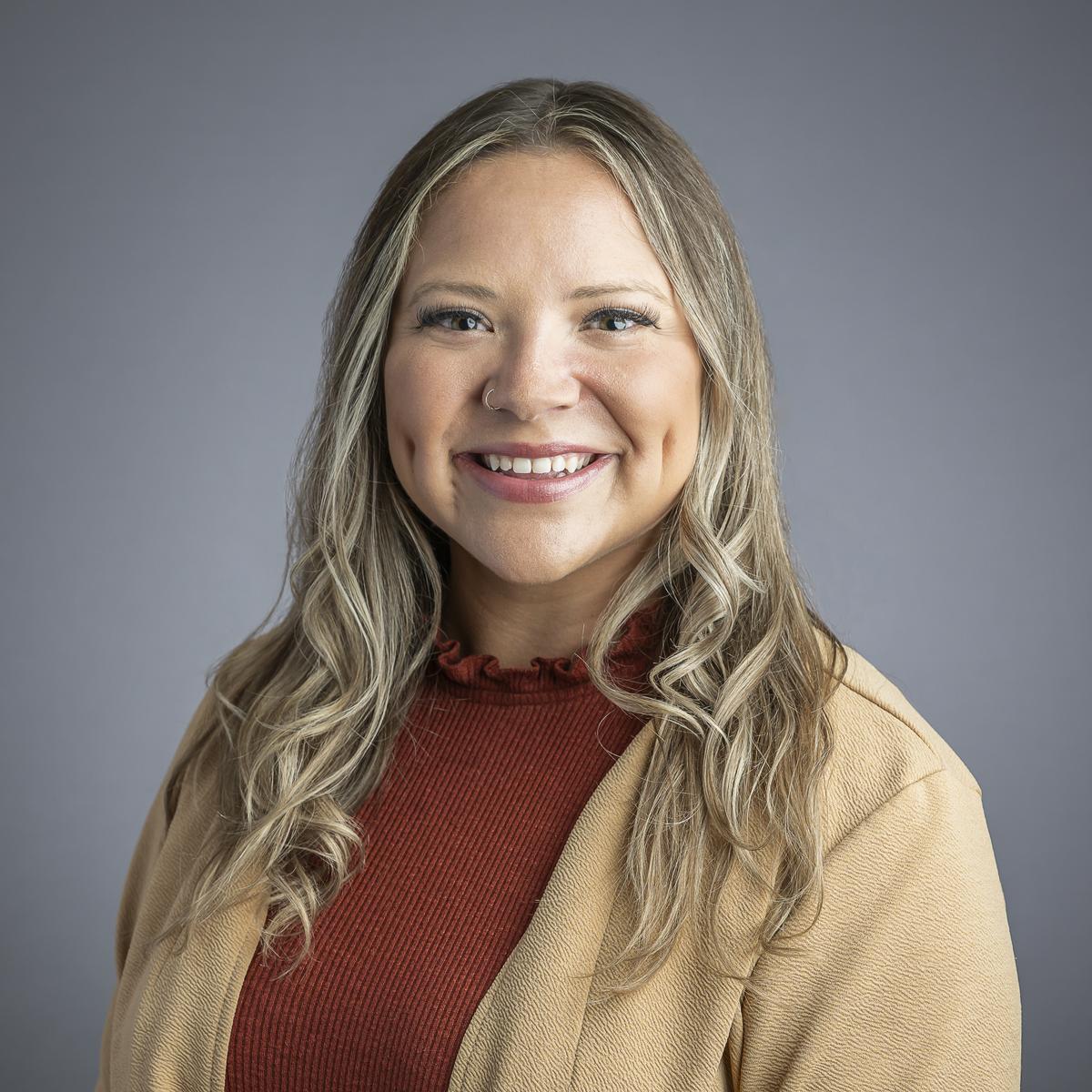
Samantha K. Swanson, APRN
Neurohospitalist
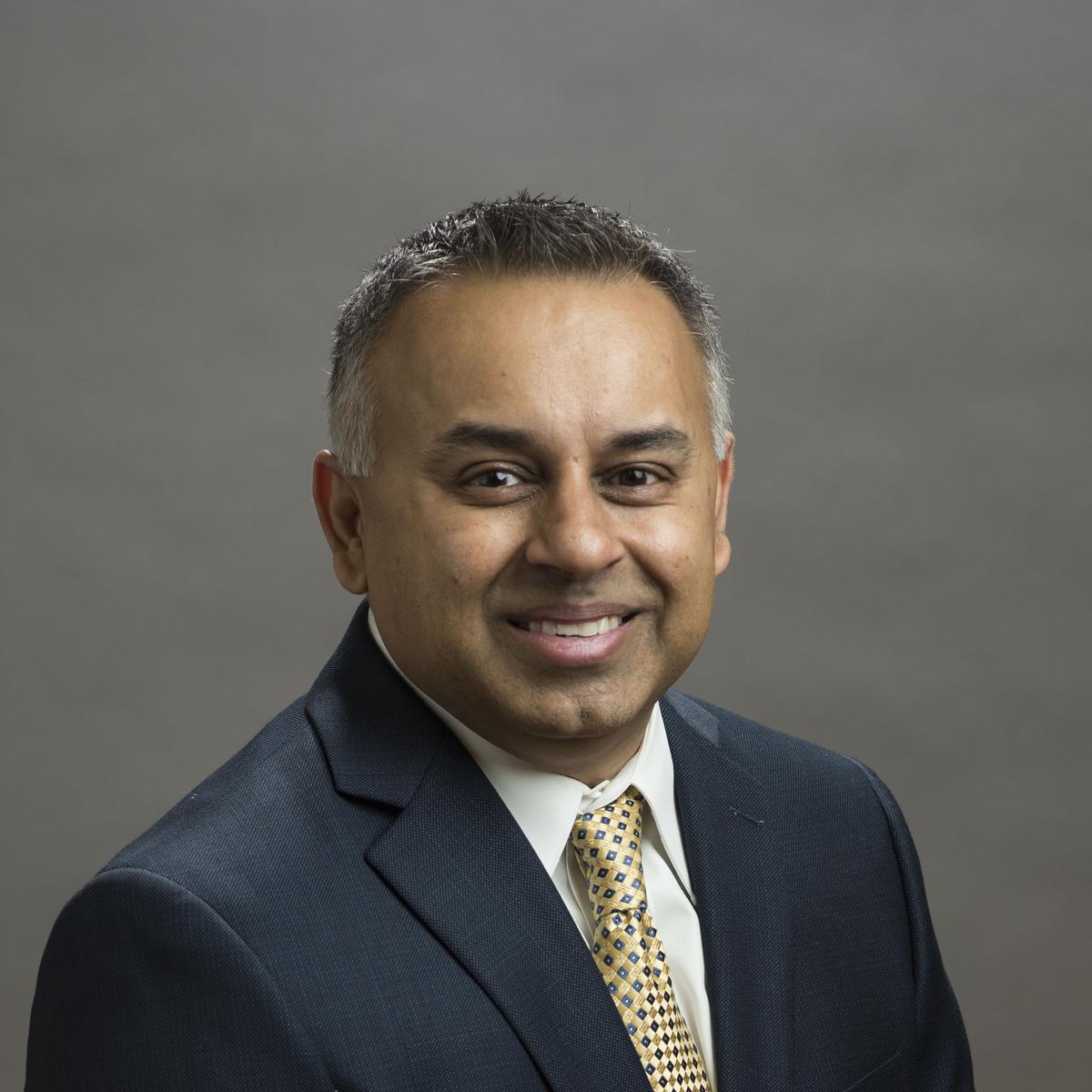
Arun V. Talkad, MD
Neurocritical Care
Neurohospitalist

Swetha Vennavaram, MD
Neurohospitalist
Kathleen M. Wiese, DO
Neurology
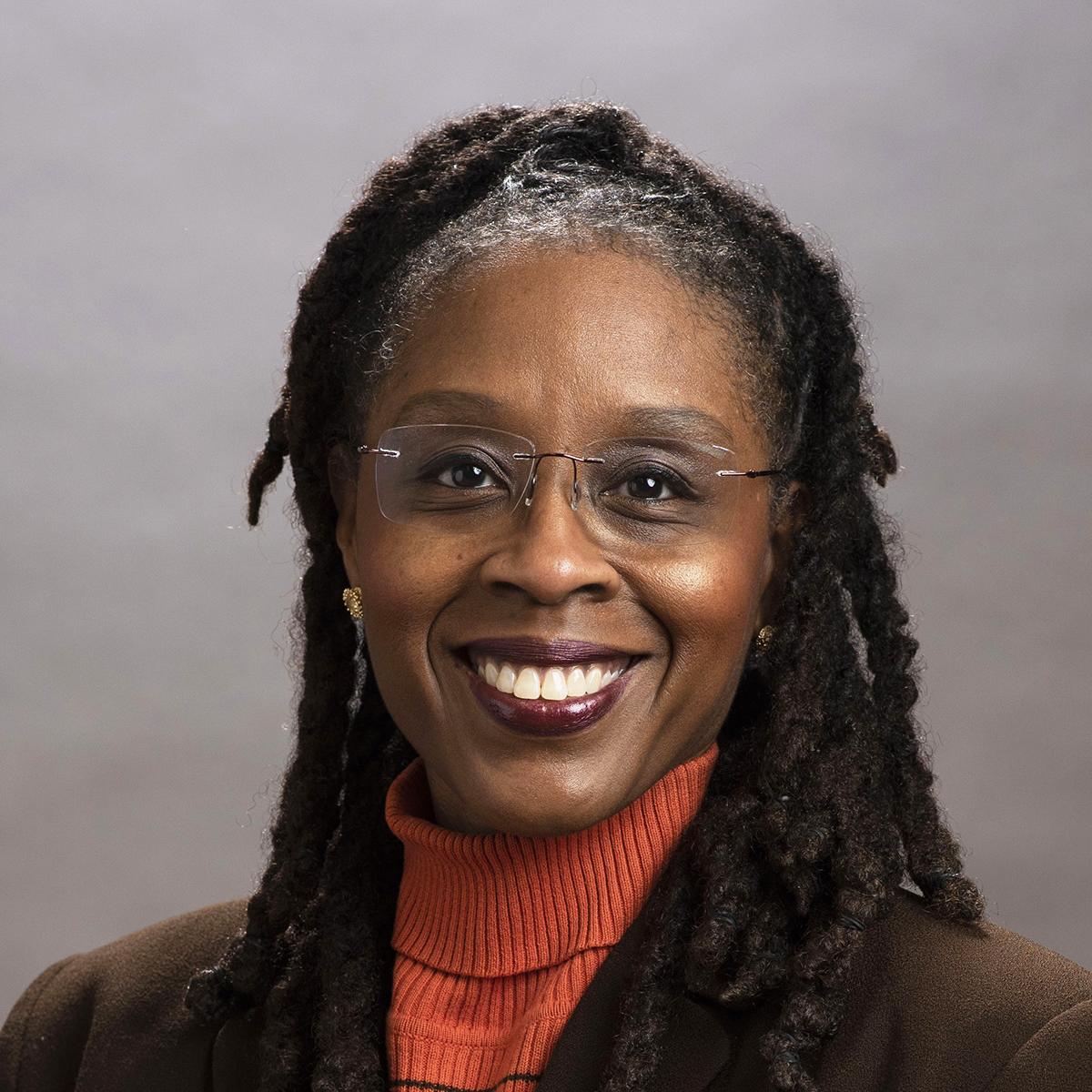
Florence R. Woods, APRN
Neurohospitalist
OSF HealthCare Saint Anthony Medical Center, Rockford
Brenda A. Beilfuss, APRN
Neurology
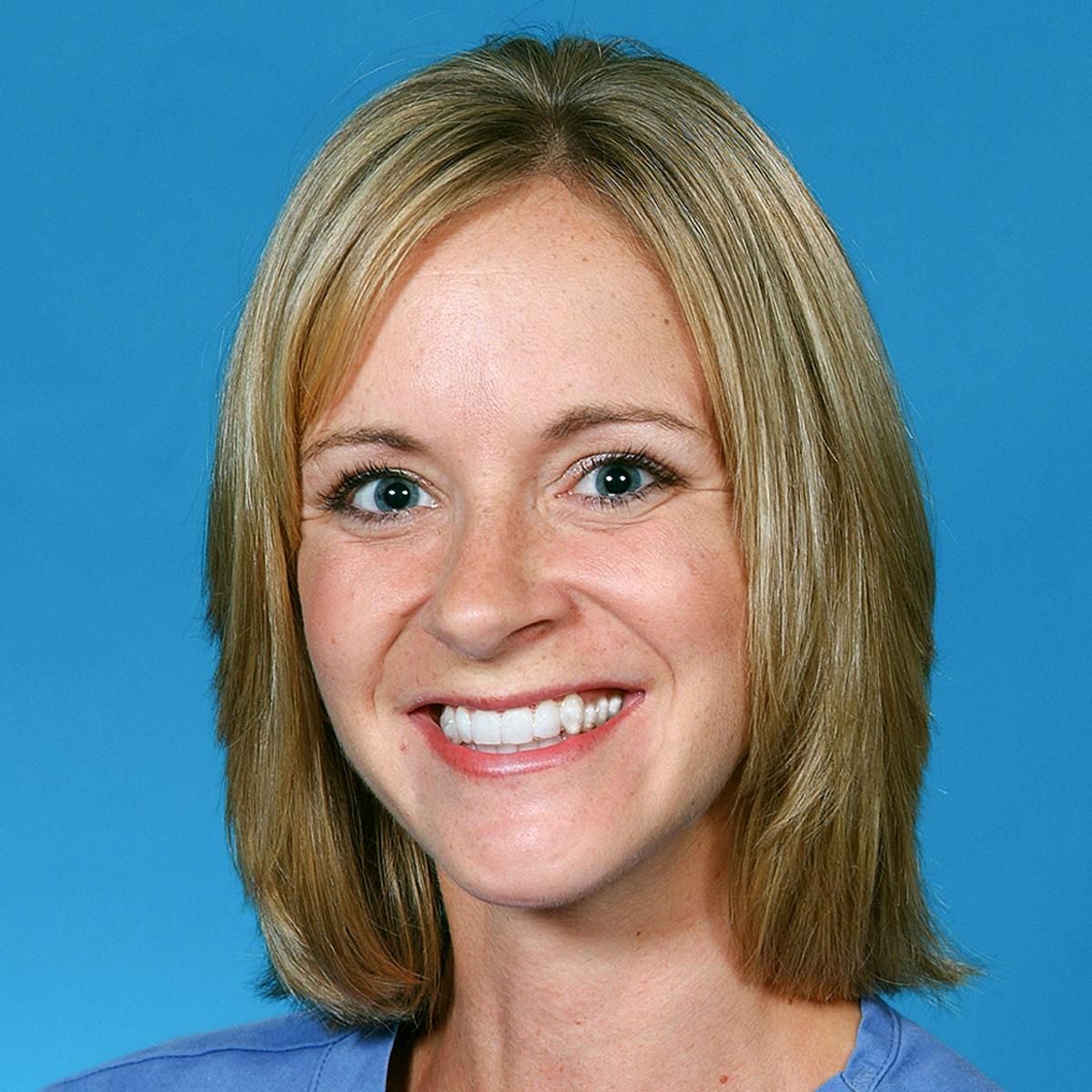
Christie J. Gesin, APRN
Hospital Medicine
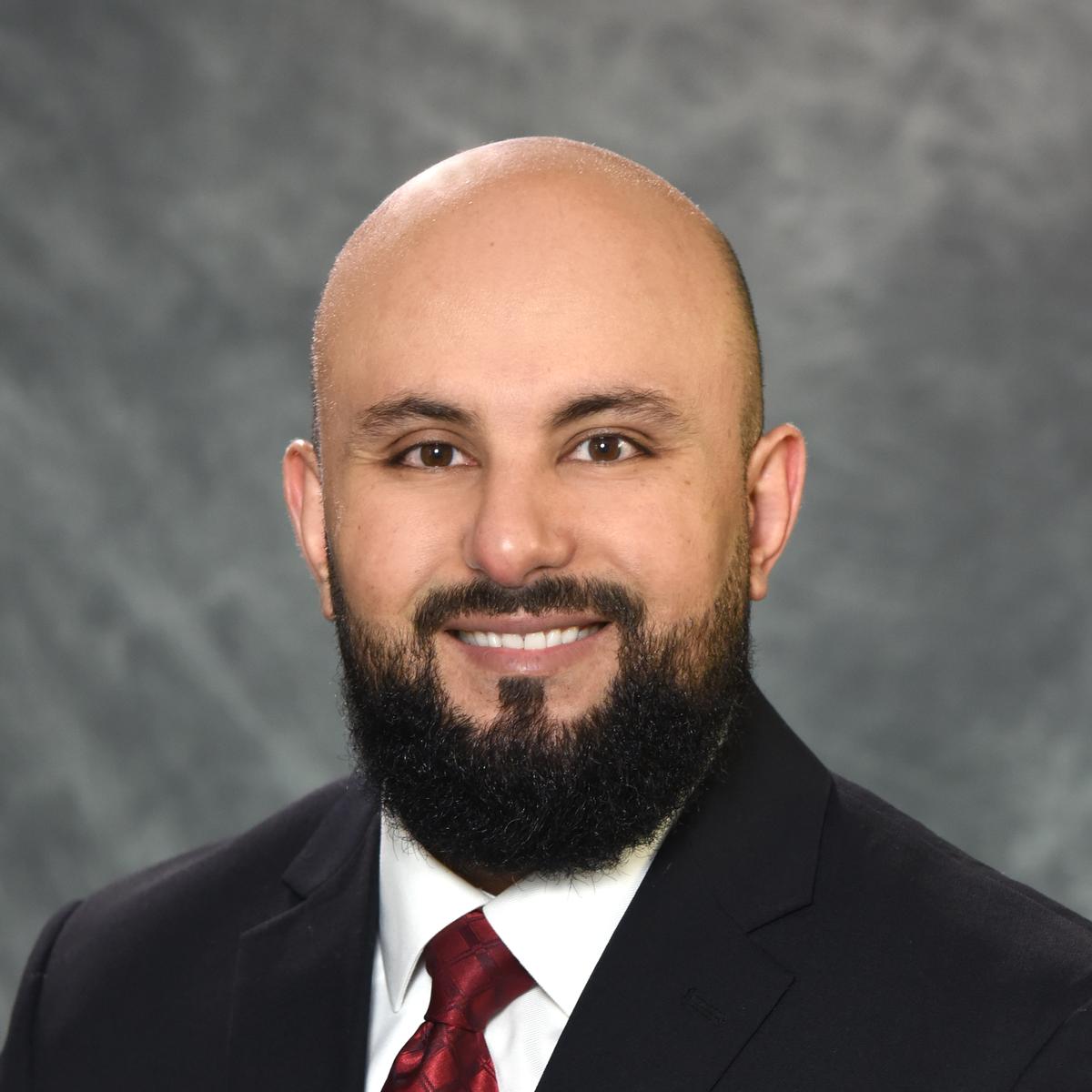
Ayman A. Gheith, MD
Neurology
Ashley M. Seyfert, APRN
Neurology